

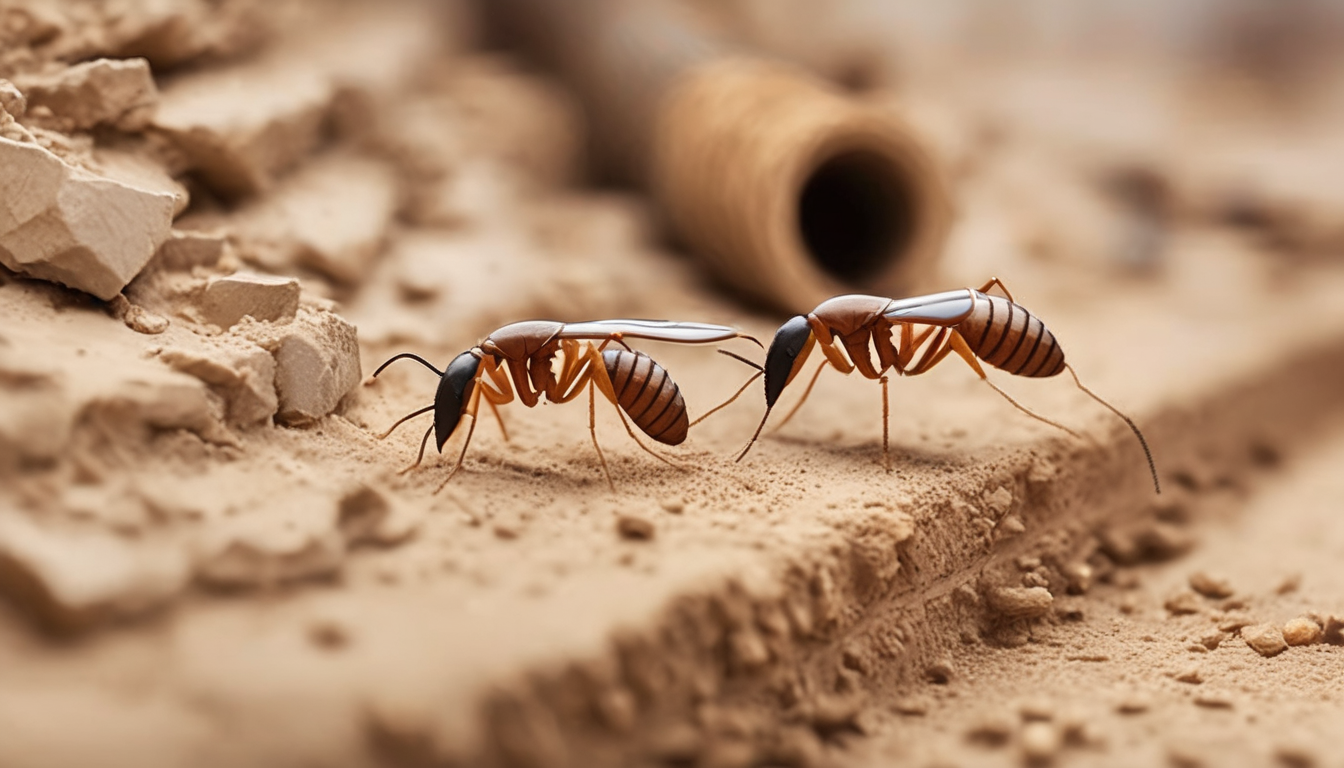

Introduction to Preventing Termite Entry Through Foundation Details in Dubai
In the arid climate of Dubai, termite infestations can pose significant threats to the structural integrity and aesthetic appeal of buildings. Unlike many other pests that are easily detected through visual inspection or immediate damage, termites often remain hidden until their presence is evident. This makes preventing termite entry a critical aspect of property maintenance in Dubai. This relates directly to Preventing Termite Entry Through Foundation Details In Dubai.
Understanding how termites enter structures through foundation details is essential for effective prevention strategies. In this guide, we explore the common pathways and methods to block these entry points, ensuring your property remains safe from termite damage.
Common Foundation Details Allowing Termite Entry
Termite entry through foundation details is a common issue in Dubai, where the soil composition, climate, and architectural designs can inadvertently create pathways for termites. Some of the most common foundation details that allow termite access include:
- Expansion joints: These gaps between building sections provide easy routes for termites to enter.
- Service penetrations: Pipes, electrical conduits, and other utility lines can serve as tunnels for termites.
- Façade details: Decorative elements such as planters, stone cladding, and decorative brickwork can hide termite entry points.
- Landscaping features: Irrigation systems and garden beds near the foundation can attract and sustain termite colonies.
These areas must be carefully inspected and modified to prevent termite access.
Designating Barriers for Preventing Termite Entry Through Foundations
To effectively block termites from entering through foundation details, several barriers can be implemented:
Structural barriers include:
- Stainless steel mesh: Installing stainless steel mesh around utility penetrations and expansion joints can physically prevent termite entry.
- Borated wood: Replacing susceptible wood components with borated wood can provide a chemical barrier that deters termites.
Chemical barriers include:
- Termite barriers: Applying non-repellent termiticides such as imidacloprid or fipronil around the foundation can create an invisible barrier against termite entry.
- Baiting systems: Installing termite baits like Sentricon around vulnerable areas can catch and eliminate termite colonies before they enter the structure.
Evaluating Moisture Management Strategies to Reduce Termite Risk
Evaluating moisture management strategies is crucial in preventing termite entry through foundation details. In Dubai’s arid climate, controlling water sources and maintaining proper drainage can significantly reduce the risk of termite infestations.
Moisture Sources:
- Irrigation systems: Regularly inspecting and adjusting irrigation schedules to avoid overwatering can prevent moisture buildup around the foundation.
- Condensate drains: Proper maintenance of condensate drainage systems in air conditioning units is essential, as excessive water can attract termites.
- Leaking plumbing: Addressing any leaks or hidden water sources promptly to avoid creating a conducive environment for termites.
Dry Foundation Design:
- Proper grading: Ensuring the ground is properly graded away from the foundation can prevent water accumulation and reduce termite entry risks.
- Drainage systems: Installing French drains or other subsurface drainage systems to redirect water flow away from the foundation.
Monitoring and Early Detection of Termite Activity in Foundation Details
Early detection is key to preventing termite entry through foundation details. Implementing a robust monitoring system can help identify potential issues before they become severe.
Visual inspections: Regular visual inspections, particularly during seasons when termites are most active (spring and summer), can reveal signs of termite activity.
Mud tubes: Checking for mud tubes on the exterior foundation can indicate an active termite colony. These thin tunnels made from soil and debris serve as termite passageways between the ground and the structure.
Infrared thermography: Using thermal imaging cameras to detect temperature differences in the foundation area can help identify areas where termites may be active or entering through weak points.
Expert Tips for Preventing Termite Entry Through Foundation Details in Dubai
1. Inspect Regularly: Conduct quarterly inspections of the foundation and surrounding landscape to identify potential termite entry points.
2. Maintain Proper Drainage: Ensure that all drainage systems are functioning correctly to prevent moisture buildup around the foundation.
3. Seal Utility Penetrations: Use stainless steel mesh or other barriers to seal any gaps where utility lines enter the structure.
4. Adjust Irrigation Schedules: Review and adjust irrigation schedules to avoid overwatering, which can attract termites.
5. Monitor Mud Tubes: Regularly check for mud tubes on the exterior of your property, as these are a clear sign of termite presence.
FAQ Section on Common Questions About Termite Entry Through Foundations
1. Q: Can termites enter through concrete foundations?
– A: While termites do not eat concrete, they can exploit hairline cracks and other weak points in the foundation to gain entry.
2. Q: What are the signs of termite activity in a property’s foundation?
– A: Mud tubes on the exterior walls, wood damage inside the home, and visible swarmers (winged termites) near windows or doors can indicate termite presence.
3. Q: How often should I inspect my property for termite entry points?
– A: It is recommended to conduct inspections at least twice a year, with additional checks during the spring and summer months when termite activity peaks.
Conclusion and Key Takeaways
Preventing termite entry through foundation details in Dubai requires a comprehensive approach that includes understanding common pathways, implementing physical and chemical barriers, managing moisture effectively, and monitoring for early signs of activity
