

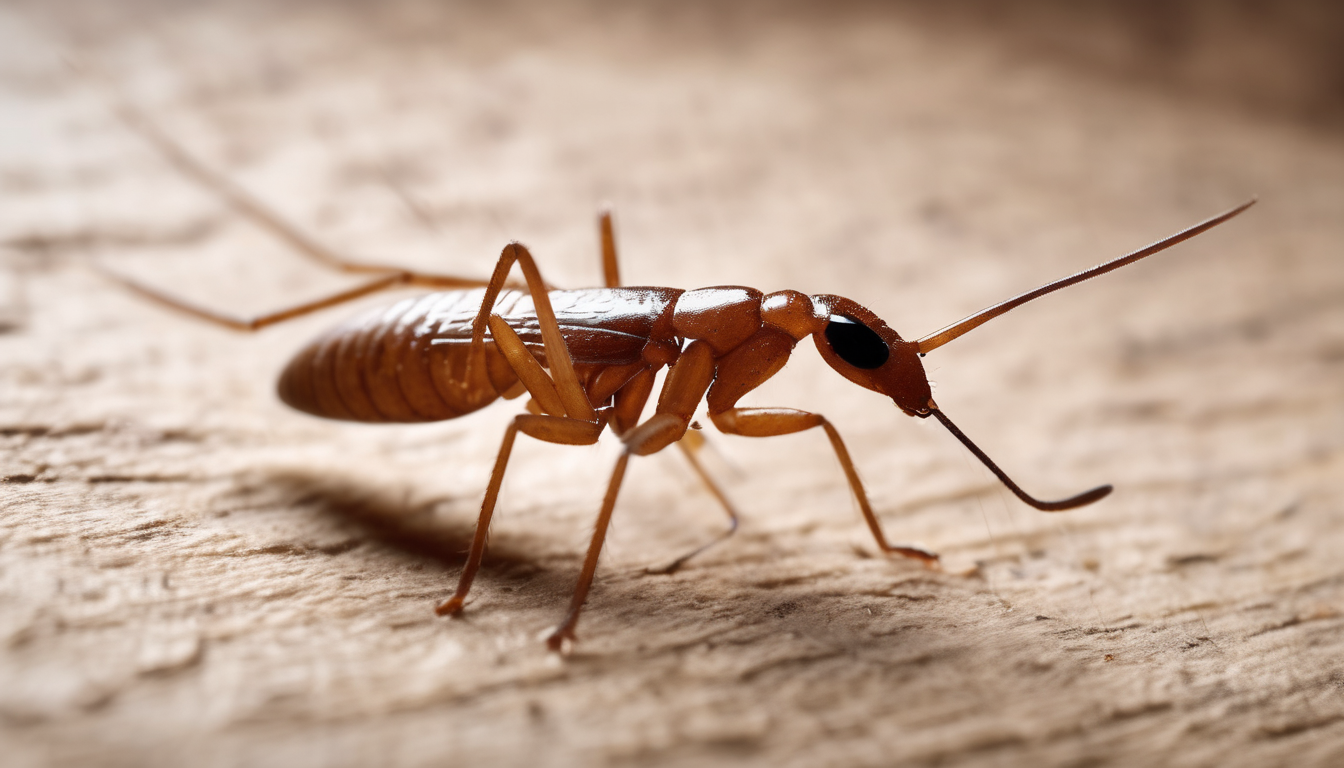

Why Inspections Matter for Termite Prevention
Regular inspections are essential for effective termite prevention. In the Gulf region, particularly Dubai, termites thrive in warm climates with consistent moisture sources, making regular checks essential to maintain structural integrity and prevent costly repairs. This relates directly to Why Regular Inspections Are Crucial For Termite Prevention.
Understanding Termite Prevention Importance
Crucial for Termite prevention is not just about treating visible damage; it’s a holistic approach that identifies the root causes of termite infestations. A comprehensive inspection uncovers hidden moisture sources, structural weaknesses, and pathways termites use to enter your property.
Termite Lifecycle and Risks in Dubai
Understanding the lifecycle of subterranean termites is key to recognizing their activity. In Dubai, termite colonies can remain active year-round due to mild winters, making them a constant threat to residential and commercial properties.
Subterranean Termite Behavior in UAE
These termites construct mud tubes to travel from their nests underground to the structure above. Identifying these tubes early can prevent extensive damage. Termites also follow moisture gradients, making irrigation systems and leaks critical areas of inspection.
Inspecting the Structure: What to Look For
During a termite inspection, focus on both visible and hidden signs of infestation. Key areas include:
- Foundation cracks and voids
- Wooden structures for damage or termite activity
- Mud tubes leading from the ground to the building
- Signs of moisture such as water stains, mold, or dampness
Identifying Termite Damage
Termite damage can be subtle and hard to spot. Look for hollow-sounding wood, powder-like residue (frass), and holes in the structure. These signs indicate termite activity that requires immediate attention.
Exterior and Surroundings Inspection
The exterior of your property is often where termites first establish themselves before moving inside. Check for:
- Landscape features like planters, garden beds, and decorative stone cladding that can act as termite pathways
- Water management systems such as irrigation lines, condensate drains, and drainage patterns
- Potential termite entry points like expansion joints, service penetrations, and façade details
Termite Pathways Through Foundations
Foundations are primary entry points for termites. Inspect areas where water can accumulate or seep into the soil near the foundation, such as:
- Poorly sealed utility lines and drainage systems
- Damaged waterproofing membranes on basement walls
- Over-saturated soil around the perimeter of the structure
Preventing Termite Access Through Inspections
Inspection findings guide preventive measures that break the termite lifecycle. These include:
- Sealing gaps and openings in the foundation, walls, and roof to prevent entry
- Adjusting irrigation systems to avoid over-watering and reducing moisture near the structure
- Maintaining proper drainage around the property to prevent water accumulation
- Using termite-resistant building materials where possible
Termite Mitigation Strategies
Based on inspection results, develop a tailored mitigation plan. This may include:
- Applying barrier treatments around the perimeter of the foundation
- Installing monitoring stations to track termite activity over time
- Adjusting soil moisture levels through drainage improvements or dehumidification
- Sealing existing entry points with appropriate materials (e.g., stainless steel mesh)
Monitoring Systems for Early Detection of Termite Activity
Early detection is crucial to prevent extensive damage. Install monitoring systems that:
- Capture termite activity through physical traps and stations
- Utilize thermal imaging to detect hidden colonies or pathways
- Employ acoustic sensors to monitor vibrations indicative of termite movement
Expert Tips for Regular Inspections
To ensure your inspections are thorough and effective:
- Certify your team. Ensure all inspectors have the necessary training and experience in termite biology and detection methods.
- Use diagnostic tools. Equip your team with moisture meters, thermal imagers, and other advanced inspection tools.
- Document everything. Keep detailed records of each inspection for future reference and compliance purposes.
- Communicate findings clearly. Provide clients with clear reports that explain potential risks and recommended actions.
Frequently Asked Questions About Termite Inspections
- How often should I have my property inspected?
- A minimum of once a year is recommended, but high-risk areas may need more frequent inspections.
- What can I do to prevent termite infestations?
- Maintain proper drainage, seal gaps in the foundation, and keep landscaping away from the structure.
- How much does a termite inspection cost?
- The cost varies based on property size and complexity. A typical inspection for a villa might range between AED 1,000 – 3,000 depending on the scope.
When considering Why Regular Inspections Are Crucial For Termite Prevention, this becomes clear.
Conclusion
Regular termite inspections are not just about finding visible damage but preventing it from becoming extensive and costly. By understanding termite behavior, conducting thorough inspections, and implementing preventive measures, you can safeguard your property against these silent pests. Remember that early detection is key to effective termite control. Understanding Why Regular Inspections Are Crucial For Termite Prevention is key to success in this area.
