

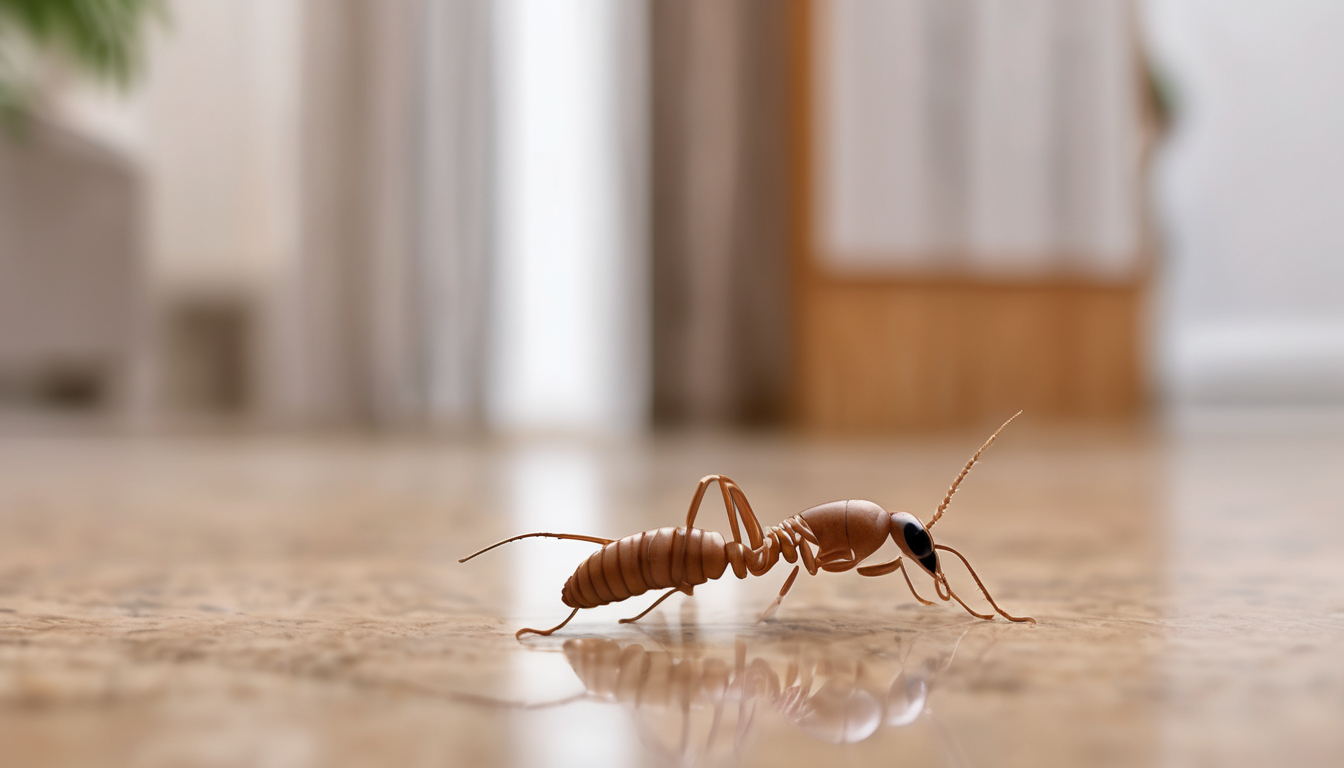

Understanding what is the safest type of termite control is crucial for protecting your home or property from these silent invaders. Whether you’re dealing with a minor infestation or a severe case, choosing the right method ensures both safety and long-term protection.
Introduction to the Safest Type of Termite Control
The termite control market is filled with various options, each touting its safety and effectiveness. However, determining which method is truly the safest requires a thorough understanding of the different techniques available in Dubai and beyond.
Chemical treatments, physical barriers, baiting systems, and integrated pest management (IPM) strategies all play significant roles in termite control. This guide delves into each approach to help you make informed decisions about what is the safest type of termite control for your property.
Chemical Termite Control Methods
Chemical treatments remain a popular choice due to their quick results and wide availability. However, they come with potential risks that must be carefully managed:
- Repellent Termiticides: These chemicals repel termites but do not kill them immediately. While effective in deterring infestations, they may not eliminate existing colonies.
- Kill-All Termite Treatments: These treatments target and kill termites on contact. They are typically applied around the perimeter of a property to create a barrier against future invasions.
Chemical Safety Considerations
When using chemical treatments, it is essential to follow these safety guidelines:
- PPE Use: Always wear personal protective equipment (PPE) such as gloves, masks, and goggles.
- Ventilation: Ensure proper ventilation during application and after treatment.
- Maintenance: Regularly inspect treated areas to ensure no damage or leaks occur that could compromise safety.
Physical Barrier Technologies
Physical barriers provide a non-toxic alternative to chemical treatments. These methods include:
- Steel Mesh Barriers: Stainless steel mesh is embedded in the foundation of buildings, creating a physical barrier that termites cannot penetrate.
- Polyurethane Coatings: This coating can be applied to concrete slabs and other surfaces, making them inhospitable for termites.
Physical Barrier Benefits
The benefits of physical barriers include:
- No Toxic Chemicals: These methods do not introduce harmful chemicals into the environment or your property.
- Durable Protection: They provide long-term protection against termite infestations without the need for frequent reapplication.
Baiting Systems for Termite Management
Baiting systems are an eco-friendly and effective way to manage termites. These systems work by:
- Attracting Termites: Bait stations contain a substance that attracts termites.
- Infecting Colonies: Once termites consume the bait, they return to their colony and spread it to other members, effectively killing the entire infestation over time.
Baiting Systems Advantages
The advantages of using baiting systems include:
- Selective Action: These methods target specific colonies without harming beneficial insects or wildlife.
- Long-Term Effectiveness: Bait stations can remain active for years, providing continuous protection against future infestations.
Non-Repellent vs Repellent Chemicals
Choosing between non-repellent and repellent chemicals depends on your specific needs:
- Repellent Chemicals: These are effective in deterring termites from entering a property. However, they may not eliminate existing colonies.
- Non-Repellent Chemicals: These kill termites upon contact and can penetrate the entire colony, ensuring complete eradication. They do not repel termites but instead target them directly.
Non-Repellent Chemicals Benefits
The benefits of non-repellent chemicals include:
- Long-Term Protection: Non-repellent treatments provide sustained protection against termite infestations.
- Effective Colony Control: These chemicals can penetrate and eliminate entire colonies, not just individual members.
Environmentally-Friendly Options
Eco-friendly options are becoming increasingly popular due to growing concerns about chemical exposure and environmental impact. These include:
- Biological Control Agents: Using natural predators like ants or fungi that target termites.
- Insect Growth Regulators (IGRs): These disrupt the termite life cycle, preventing colonies from growing and reproducing.
Environmentally-Friendly Benefits
The benefits of environmentally-friendly options include:
- Reduced Chemical Exposure: These methods minimize the use of harmful chemicals, making them safer for both human and environmental health.
- Sustainable Solutions: They offer long-term protection while reducing the overall impact on the ecosystem.
Integrated Pest Management Strategies
Integrated pest management (IPM) combines multiple methods to create a comprehensive termite control plan. Key components include:
- Inspection and Monitoring: Regular inspections help identify potential risks early.
- Maintenance Practices: Proper maintenance, such as eliminating moisture sources and sealing entry points, prevents infestations from occurring.
IPM Benefits
The benefits of IPM strategies include:
- Eco-Friendly Approaches: IPM methods are often more environmentally friendly and less toxic than chemical treatments alone.
- Sustainable Solutions: These strategies aim to control pest populations over the long term, reducing reliance on harmful chemicals.
Selecting the Right Termite Control Method
To determine what is the safest type of termite control for your property, consider these factors:
- Property Type: Different methods may be more suitable for villas, towers, or heritage buildings.
- Insect Species: Identifying the specific termite species present helps tailor a targeted control strategy.
- Environmental Factors: Local climate and soil conditions influence which methods are most effective.
Choosing the Best Method
By considering these factors, you can select a termite control method that is both safe and effective for your property. For instance:
- Villas with Complex Structures: Baiting systems or IPM strategies may be more suitable due to the intricate design.
- Towers with Large Footprints: Physical barriers combined with chemical treatments can provide comprehensive protection.
Expert Tips for Effective Termite Control
Here are some expert tips to ensure your termite control efforts are successful and safe:
- Hire Professionals: Engage experienced pest control technicians who understand the specific challenges of your property.
- Regular Inspections: Schedule regular inspections to monitor for signs of infestation early on.
- Maintenance Practices: Implement regular maintenance practices, such as addressing moisture issues and sealing gaps in structures.
Frequently Asked Questions About Termite Control
Here are answers to some common questions about termite control:
How do I know if my property is at risk?
Look for signs like mud tubes, wood damage, or swarming termites. Regular inspections can help identify potential risks early.
Which method is the safest for termite control?
The safest method depends on your specific situation. Consult with a pest control expert to determine the best approach for your property.
How long does it take to see results from termite treatments?
This varies depending on the method and severity of the infestation. Non-repellent chemicals may show results within weeks, while physical barriers can provide long-term protection.
Conclusion on the Safest Type of Termite Control
Choosing what is the safest type of termite control requires careful consideration of your property’s unique needs and environmental factors. By understanding the various methods available, you can make informed decisions that prioritize both safety and effectiveness.
Remember to consult with experienced professionals who can provide tailored advice based on local conditions. With the right approach, you can protect your home or property from termite infestations while minimizing any potential risks.
