

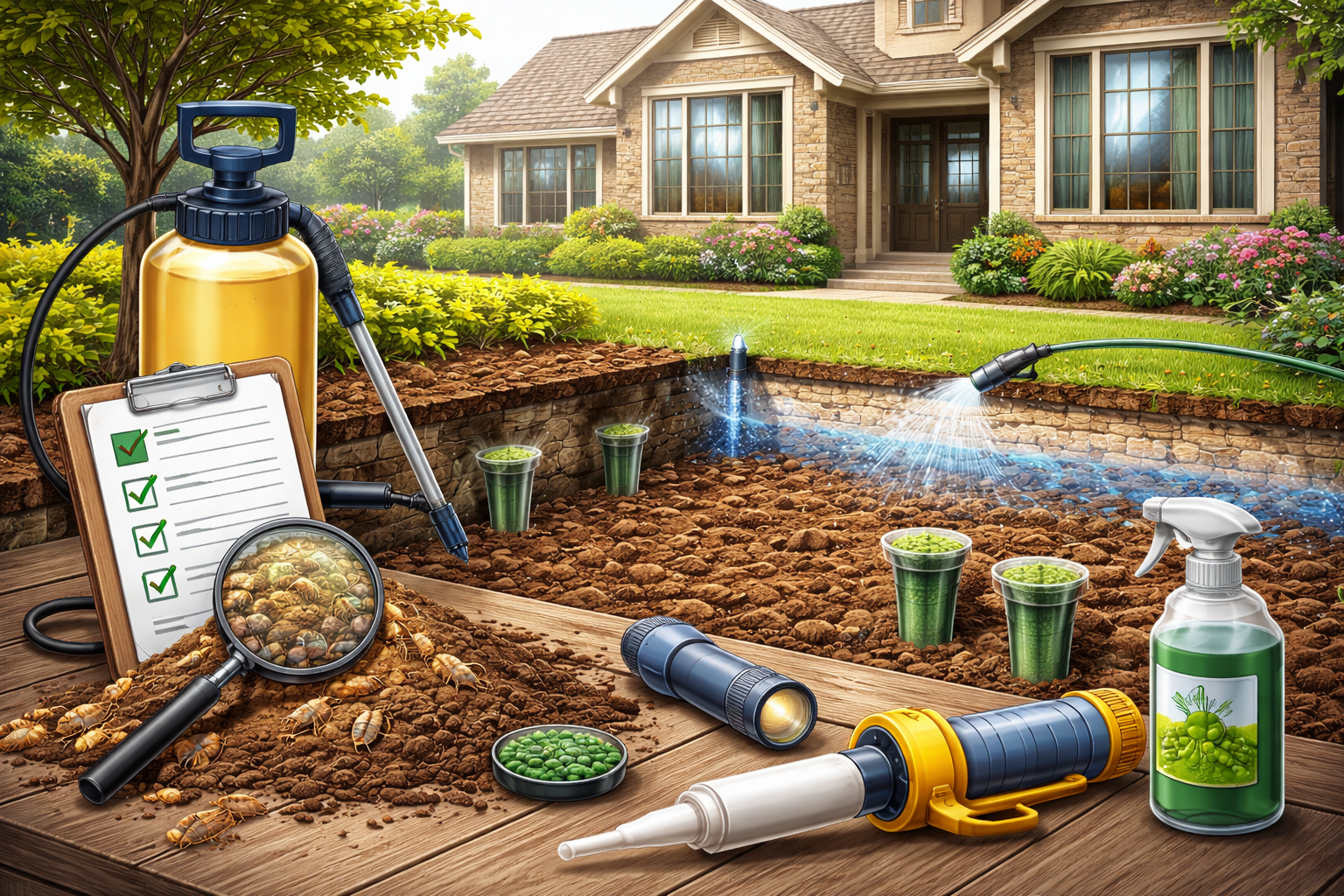

Understanding Preventive Maintenance Programs to Protect High-End Properties
Termite infestations can be devastating for high-end properties in Dubai. The key to protecting these valuable assets lies in a proactive approach, beginning with comprehensive preventive maintenance programs. This guide will walk you through the essential steps and strategies required to safeguard your property from termite damage.
Preventive Maintenance Programs To Protect High-end – Importance of Comprehensive Inspections
Comprehensive inspections are the foundation of any effective termite control strategy. A thorough inspection can reveal hidden moisture sources, identify potential entry points, and assess the overall health of your property’s structure. Regular inspections should be conducted at least twice a year to monitor for early signs of termite activity.
Inspection Tools and Techniques
Key tools include moisture meters, thermal imaging cameras, and wood inspection instruments like boroscopes. These devices help in detecting areas with high moisture content or hidden termite infestations. In addition, visual inspections should focus on areas such as basements, crawl spaces, and attics where termites are likely to enter.
Moisture Mapping and Pathway Analysis
Moisture mapping is a critical component of termite prevention. By identifying moisture hotspots around the property, you can pinpoint areas that need attention before they attract termites. This involves conducting systematic moisture readings on walls, floors, and structural elements using advanced moisture meters.
Creating Moisture Maps
Use a digital tool or paper map to record the moisture levels in different areas of your property. Highlight any areas with high moisture content, as these are prime locations for termite activity. Understanding how moisture moves through the building will help you design targeted prevention strategies.
Designing Effective Termite Barriers
Termite barriers are crucial in preventing infestations by creating a physical obstacle between termites and your property’s structural elements. These barriers can be installed around the foundation, under concrete slabs, or within walls.
Types of Termite Barriers
There are several types of termite barriers available, including chemical treatments (borates), physical barriers (stainless steel mesh), and non-repellent termiticides. Each type has its advantages and should be chosen based on the specific conditions of your property.
Identifying Common Entry Points for Termites
Termites can enter properties through a variety of pathways, including expansion joints, service penetrations, and landscaping features. Identifying these entry points is essential to prevent termite infestations. This relates directly to Preventive Maintenance Programs To Protect High-end.
Common Termite Entry Points
- Expansion Joints: These areas allow termites to move between different structural elements.
- Service Penetrations: Pipes, electrical conduits, and utility lines can provide easy access for termites.
- Landscape Features: Planters, decorative stone cladding, and irrigation systems can act as bridges from the outside into your property.
Implementing Maintenance Schedules and Inspections
Regular maintenance schedules are essential to keep termite infestations at bay. These should include both internal and external inspections, as well as monitoring for signs of moisture issues.
Scheduling Inspections
Establish a regular inspection schedule based on the specific needs of your property. For high-end properties, quarterly or bi-annual inspections may be necessary to ensure early detection and prevention.
Expert Tips for High-End Property Protection
Implementing expert tips can significantly enhance the effectiveness of your preventive maintenance program. Here are some practical steps you can take:
- Regular Inspections: Conduct thorough inspections at least twice a year to identify and address potential issues early.
- Moisture Control: Address any leaks or water intrusion promptly, as these are prime conditions for termite activity.
- Barrier Installation: Install physical barriers around the foundation and in critical areas to create a strong defense against termites.
- Inspection Training: Train property staff on recognizing signs of termite damage and conducting basic inspections.
Frequently Asked Questions
Here are some common questions related to preventive maintenance programs for high-end properties:
-
- How often should I conduct termite inspections?
Inspections should be conducted at least twice a year, or more frequently if you have specific concerns.
-
- What are the signs of termite damage in high-end properties?
Look for structural damage to woodwork, mud tubes on walls and floors, and weakened floorboards. Advanced inspections can help detect hidden infestations early.
-
- Can moisture meters accurately identify termite activity?
Moisture meters are effective in identifying areas with high moisture content, which may indicate termite activity. However, they should be used in conjunction with other inspection methods for a comprehensive analysis.
Conclusion on Preventive Maintenance Programs to Protect High-End Properties
Implementing a comprehensive preventive maintenance program is crucial for protecting high-end properties from termite damage. By understanding the importance of inspections, moisture mapping, and effective barrier design, you can significantly reduce the risk of infestations.
Remember that regular monitoring and proactive steps are key to maintaining your property’s integrity. Engage with experienced professionals who specialize in termite prevention to ensure the best possible protection for your valuable assets.
