

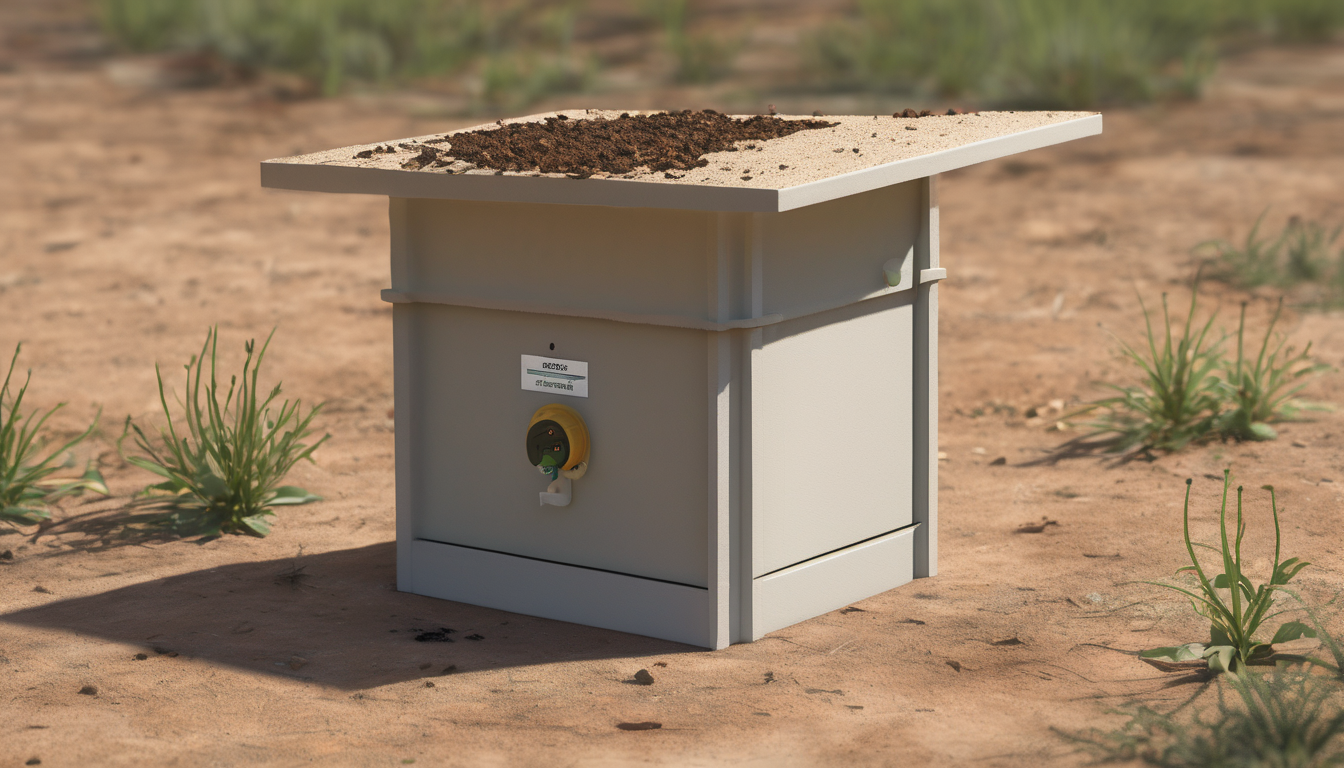

Understanding Properly Place Trelona Termite Monitoring Stations is essential. —
Understanding How to Properly Place Trelona Termite Monitoring Stations
Proper placement of Trelona termite monitoring stations is crucial for effective termite management in your property. This guide provides a detailed, step-by-step process to ensure accurate results and efficient pest control.
Properly Place Trelona Termite Monitoring Stations – Materials and Tools Needed for Placement
To place Trelona termite monitoring stations effectively, you will need the following materials and tools:
- Trelona termite monitoring stations
- Drill with 6mm drill bit
- Hammer or mallet
- Level
- Meter stick or measuring tape
- Waterproof marker pen
- Gloves and safety glasses
Choosing the Right Location for Stations
The placement of Trelona termite monitoring stations should be strategic to ensure comprehensive coverage. Follow these steps to choose the right locations: When considering Properly Place Trelona Termite Monitoring Stations, this becomes clear.
- Identify potential entry points. Look for areas where termites might enter your property, such as cracks in foundations, expansion joints, and service penetrations. Focus on high-risk areas like landscaping, pool areas, and decorative planters.
- Consider the moisture source. Termites thrive in moist environments, so look for sources of water or dampness that might attract them. Check irrigation lines, condensate drains, and plumbing leaks.
- Determine the soil type and structure. In Dubai’s sandy soils, termites can tunnel to depths of 10-30 meters. Use a moisture meter to identify areas with high moisture content, as these are likely termite pathways.
Preparation Before Placing Stations
Proper preparation ensures that the placement of Trelona stations is accurate and efficient:
- Inspect your property. Walk around the exterior and interior of your home, looking for signs of termite activity such as mud tubes or damaged wood. This helps identify areas where you might need to place monitoring stations.
- Maintain a clean workspace. Clear any debris from the ground at the chosen locations before placing the stations. Ensure that the area is level and free of obstructions.
Placement Strategies for Optimal Coverage
To ensure comprehensive termite coverage, follow these placement strategies:
- Place stations near potential entry points. Position Trelona stations along cracks in foundations, expansion joints, and service penetrations. This helps to detect any termite activity early on.
- Create a grid system for exterior placements. Divide the exterior of your property into sections (e.g., 10x10m grids) and place one station at each corner. This provides a comprehensive coverage area.
- Place stations in high-risk areas inside the home. Areas such as basements, utility rooms, and crawl spaces are prime locations for placing Trelona stations to monitor termite activity inside your property.
Monitoring and Data Collection Methods
Effective monitoring is essential to track termite activity:
- Regularly check the stations for signs of termite presence. Inspect the Trelona stations every 1-2 months. Look for any changes in the condition of the stations, such as damage or new entry points.
- Document your findings accurately. Use a waterproof marker pen to record observations on the station itself and keep detailed notes in a logbook. This documentation helps track termite activity over time.
Troubleshooting Common Issues with Trelona Termite Monitoring Stations
Despite careful placement, issues can arise. Here are some common problems and their solutions:
- Station not placed level. If a station is not perfectly level, it may attract fewer termites. Ensure that each station is placed on a level surface to maximize its effectiveness.
- Insufficient moisture in the area. Termites require moist conditions to thrive. If you notice dry soil around a station, consider applying water to the surrounding area to create an inviting environment for termites.
- Contamination from other pests. Occasionally, other pests may try to enter the stations. Seal any entry points with silicone caulk or similar materials to prevent contamination and maintain the integrity of your termite monitoring system.
Expert Tips for Successful Placement
To ensure successful placement, consider these expert tips:
- Use a moisture meter to identify high-risk areas. Moisture is a key factor in termite activity. Use a moisture meter to find areas with high moisture content, and place stations accordingly.
- Consider the soil type when selecting placement locations. In Dubai’s sandy soils, termites can tunnel to depths of 10-30 meters. Ensure that your placement strategies account for this depth variation.
- Place stations in multiple layers. Use Trelona stations at various heights and depths within the soil profile to get a comprehensive view of termite activity. This multi-layer approach helps detect any termites trying to tunnel through different levels.
Frequently Asked Questions (FAQs)
Here are answers to some common questions about Trelona termite monitoring stations:
- Q: How often should I check the Trelona stations? A: Inspect the stations every 1-2 months or as needed based on your specific situation.
- Q: Can I use Trelona stations for both interior and exterior monitoring? A: Yes, Trelona stations can be used both inside and outside the property to provide comprehensive termite coverage.
- Q: What should I do if I find signs of termite activity in a station? A: If you find signs of termite presence, report it immediately to your pest control professional. They will assess the situation and determine the appropriate course of action.
Conclusion: The Key Takeaways
In conclusion, placing Trelona termite monitoring stations properly is essential for effective termite management in Dubai’s unique environmental conditions. By following this comprehensive guide, you can ensure accurate results and efficient pest control. This relates directly to Properly Place Trelona Termite Monitoring Stations.
—
Understanding How to Properly Place Trelona Termite Monitoring Stations
Proper placement of Trelona termite monitoring stations is crucial for effective termite management in your property. This guide provides a detailed, step-by-step process to ensure accurate results and efficient pest control.
Materials and Tools Needed for Placement
- Trelona termite monitoring stations
- Drill with 6mm drill bit
- Hammer or mallet
- Level
- Meter stick or measuring tape
- Waterproof marker pen
- Gloves and safety glasses
Choosing the Right Location for Stations
The placement of Trelona termite monitoring stations should be strategic to ensure comprehensive coverage. Follow these steps to choose the right locations:
- Identify potential entry points. Look for areas where termites might enter your property, such as cracks in foundations, expansion joints, and service penetrations. Focus on high-risk areas like landscaping, pool areas, and decorative planters.
- Consider the moisture source. Termites thrive in moist environments, so look for sources of water or dampness that might attract them. Check irrigation lines, condensate drains, and plumbing leaks.
- Determine the soil type and structure. In Dubai’s sandy soils, termites can tunnel to depths of 10-30 meters. Use a moisture meter to identify areas with high moisture content, as these are likely termite pathways.
Preparation Before Placing Stations
Proper preparation ensures that the placement of Trelona stations is accurate and efficient:
- Inspect your property. Walk around the exterior and interior of your home, looking for signs of termite activity such as mud tubes or damaged wood. This helps identify areas where you might need to place monitoring stations.
- Maintain a clean workspace. Clear any debris from the ground at the chosen locations before placing the stations. Ensure that the area is level and free of obstructions.
Placement Strategies for Optimal Coverage
To ensure comprehensive termite coverage, follow these placement strategies:
- Place stations near potential entry points. Position Trelona stations along cracks in foundations, expansion joints, and service penetrations. This helps to detect any termite activity early on.
- Create a grid system for exterior placements. Divide the exterior of your property into sections (e.g., 10x10m grids) and place one station at each corner. This provides a comprehensive coverage area.
- Place stations in high-risk areas inside the home. Areas such as basements, utility rooms, and crawl spaces are prime locations for placing Trelona stations to monitor termite activity inside your property.
Monitoring and Data Collection Methods
Effective monitoring is essential to track termite activity:
- Regularly check the stations for signs of termite presence. Inspect the Trelona stations every 1-2 months. Look for any changes in the condition of the stations, such as damage or new entry points.
- Document your findings accurately. Use a waterproof marker pen to record observations on the station itself and keep detailed notes in a logbook. This documentation helps track termite activity over time.
Troubleshooting Common Issues with Trelona Termite Monitoring Stations
Despite careful placement, issues can arise. Here are some common problems and their solutions:
- Station not placed level. If a station is not perfectly level, it may attract fewer termites. Ensure that each station is placed on a level surface to maximize its effectiveness.
- Insufficient moisture in the area. Termites require moist conditions to thrive. If you notice dry soil around a station, consider applying water to the surrounding area to create an inviting environment for termites.
- Contamination from other pests. Occasionally, other pests may try to enter the stations. Seal any entry points with silicone caulk or similar materials to prevent contamination and maintain the integrity of your termite monitoring system.
Expert Tips for Successful Placement
To ensure successful placement, consider these expert tips:
- Use a moisture meter to identify high-risk areas. Moisture is a key factor in termite activity. Use a moisture meter to find areas with high moisture content, and place stations accordingly.
- Consider the soil type when selecting placement locations. In Dubai’s sandy soils, termites can tunnel to depths of 10-30 meters. Ensure that your placement strategies account for this depth variation.
- Place stations in multiple layers. Use Trelona stations at various heights and depths within the soil profile to get a comprehensive view of termite activity. This multi-layer approach helps detect any termites trying to tunnel through different levels.
Frequently Asked Questions (FAQs)
Here are answers to some common questions about Trelona termite monitoring stations:
- Q: How often should I check the Trelona stations? A: Inspect the stations every 1-2 months or as needed based on your specific situation.
- Q: Can I use Trelona stations for both interior and exterior monitoring? A: Yes, Trelona stations can be used both inside and outside the property to provide comprehensive termite coverage.
- Q: What should I do if I find signs of termite activity in a station? A: If you find signs of termite presence, report it immediately to your pest control professional. They will assess the situation and determine the appropriate course of action.
Conclusion: The Key Takeaways
In conclusion, placing Trelona termite monitoring stations properly is essential for effective termite management in Dubai’s unique environmental conditions. By following this comprehensive guide, you can ensure accurate results and efficient pest control. Understanding Properly Place Trelona Termite Monitoring Stations is key to success in this area.
