


Understanding Desert Subterranean Termite Mud Tubes
Understanding Understanding Desert Subterranean Termite Mud Tubes is essential. Termite mud tubes are an essential part of a termite colony’s survival strategy. In Dubai’s arid and sandy soil conditions, subterranean termites construct these mud tubes to provide a moist pathway between their nest and the structure they intend to infest. Understanding what these tubes look like, how they behave, and where to find them is crucial for effective termite management.
Why Desert Subterranean Termite Mud Tubes are Important
Desert subterranean termites (often identified by species such as Psammotermes hybostoma) require a steady moisture supply to survive. Their mud tubes serve multiple functions, including: This relates directly to Understanding Desert Subterranean Termite Mud Tubes.
– Providing protection from predators
– Maintaining the required humidity for their bodies and eggs
– Facilitating safe travel between the nest and food source
By understanding these tubes, homeowners can identify termite activity early, allowing for targeted and effective treatment.
Desert Subterranean Termite Mud Tube Identification
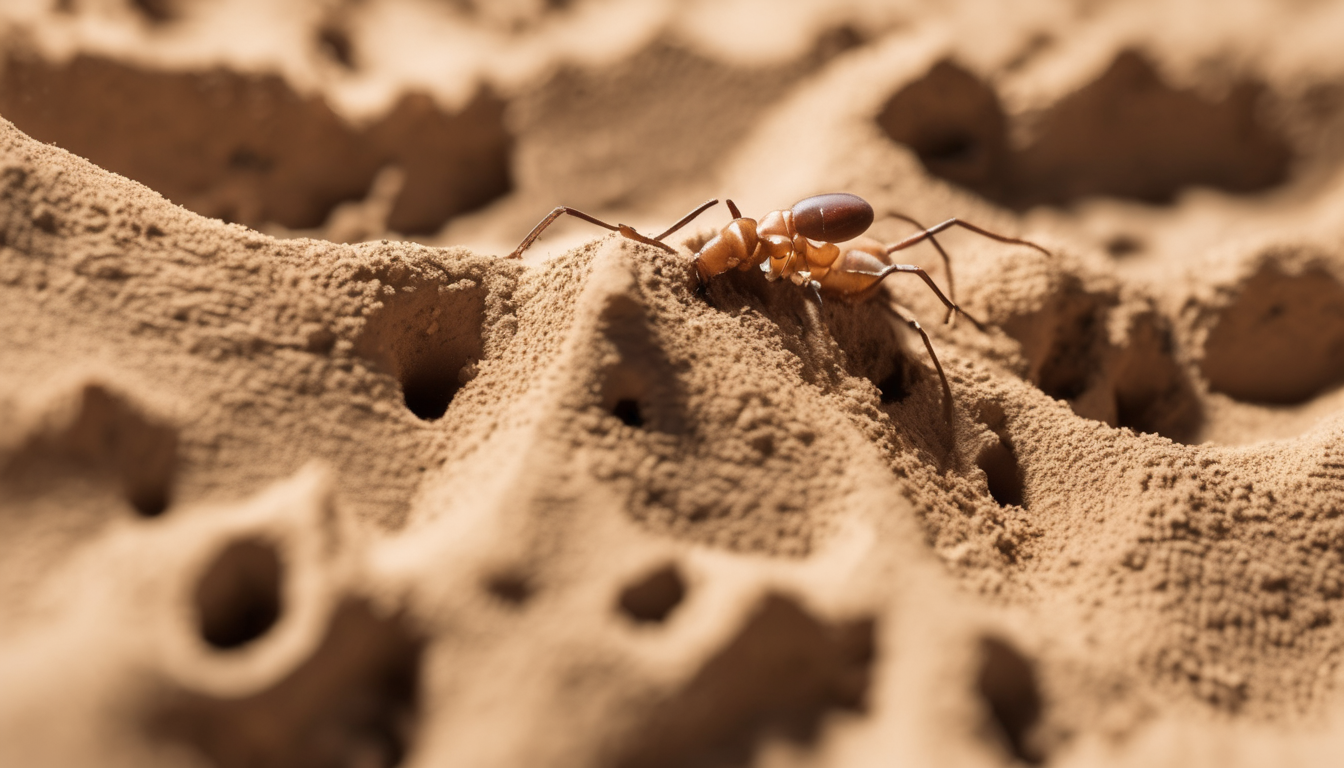
Desert subterranean termite mud tubes are typically:
– Light in color – often a light brown or gray
– Rigid yet flexible – made of soil, excrement, and saliva
These tubes can be found both inside and outside the building. Inside, they may appear on walls, floors, and ceilings, while outside they are commonly seen along foundations, near utility lines, and in landscaping.
Interpreting Desert Subterranean Termite Mud Tube Patterns
Understanding the patterns of mud tubes can provide insights into termite activity:
– Single tube: Often indicates a smaller colony or isolated infestation.
– Multiple tubes: Suggests a larger, more established colony with multiple entry points.
By mapping these tubes, you can trace the route termites are likely taking to access your property. This information is invaluable for pinpointing areas that need treatment and modifying conditions to prevent future infestations. The importance of Understanding Desert Subterranean Termite Mud Tubes is evident here.
Common Mistakes in Interpreting Mud Tubes
Misidentifying mud tubes can lead to incorrect conclusions:
– Confusing with plumbing lines: Pipes often have a smooth surface and are typically straight, while termite tubes may be irregular.
– Ignoring small, broken tubes: Termites may create multiple thin tubes to test the environment before committing to a larger pathway.
Accurate interpretation requires a thorough understanding of termite behavior and activity patterns.
Solutions for Desert Subterranean Termite Mud Tubes
Once you’ve identified and interpreted the mud tubes, take these steps to address the issue:
– Seal any visible entry points: Use caulk or other sealants to block termite access.
– Improve drainage around the building: Ensure that water is directed away from the foundation.
– Regular inspections: Schedule annual or biannual inspections to monitor for new activity.
By addressing these areas, you can reduce the likelihood of a full-scale infestation and protect your property.
Expert Tips for Managing Desert Subterranean Termite Mud Tubes
1. Use moisture mapping tools: Devices like thermal imaging cameras can help identify areas with high moisture content, guiding where to look for mud tubes.
2. Implement a chemical barrier: Apply termiticides around the foundation to create a physical barrier.
3. Monitor regularly: Use termite monitoring stations to detect early signs of activity.
Following these tips will help you stay one step ahead of potential infestations and maintain your property’s safety.
FAQ: Desert Subterranean Termite Mud Tubes
Q1: How can I prevent termite mud tubes from forming?
A1: Focus on reducing moisture around the foundation by improving drainage and ensuring proper ventilation. Regular inspections can also catch issues early.
Q2: Can sealing cracks in my building’s exterior prevent termite entry?
A2: Yes, sealing gaps and cracks reduces the risk of termites entering your property. However, this should be part of a comprehensive strategy that includes moisture management.
Q3: Are there any DIY methods to address termite mud tubes?
A3: For minor infestations, you can seal entry points and improve drainage. For larger issues, professional intervention is recommended to ensure thorough treatment. When considering Understanding Desert Subterranean Termite Mud Tubes, this becomes clear.
Conclusion: Understanding Desert Subterranean Termite Mud Tubes
Understanding desert subterranean termite mud tubes is a critical step in effective termite management. By recognizing the patterns and behaviors associated with these structures, you can take proactive measures to prevent infestations and protect your property.
