


—
Introduction
Termite Nests Identification: Above Ground Vs Below Ground is essential for accurately understanding how termite colonies develop and where they are most likely to be found. By examining termite nests through a ground vs below ground approach, property owners can better identify activity patterns and implement effective management strategies.
This article explores the characteristics and behavior of termite colonies using a ground vs below ground perspective to support proper identification and prevention.
—
What Are Termite Nests?
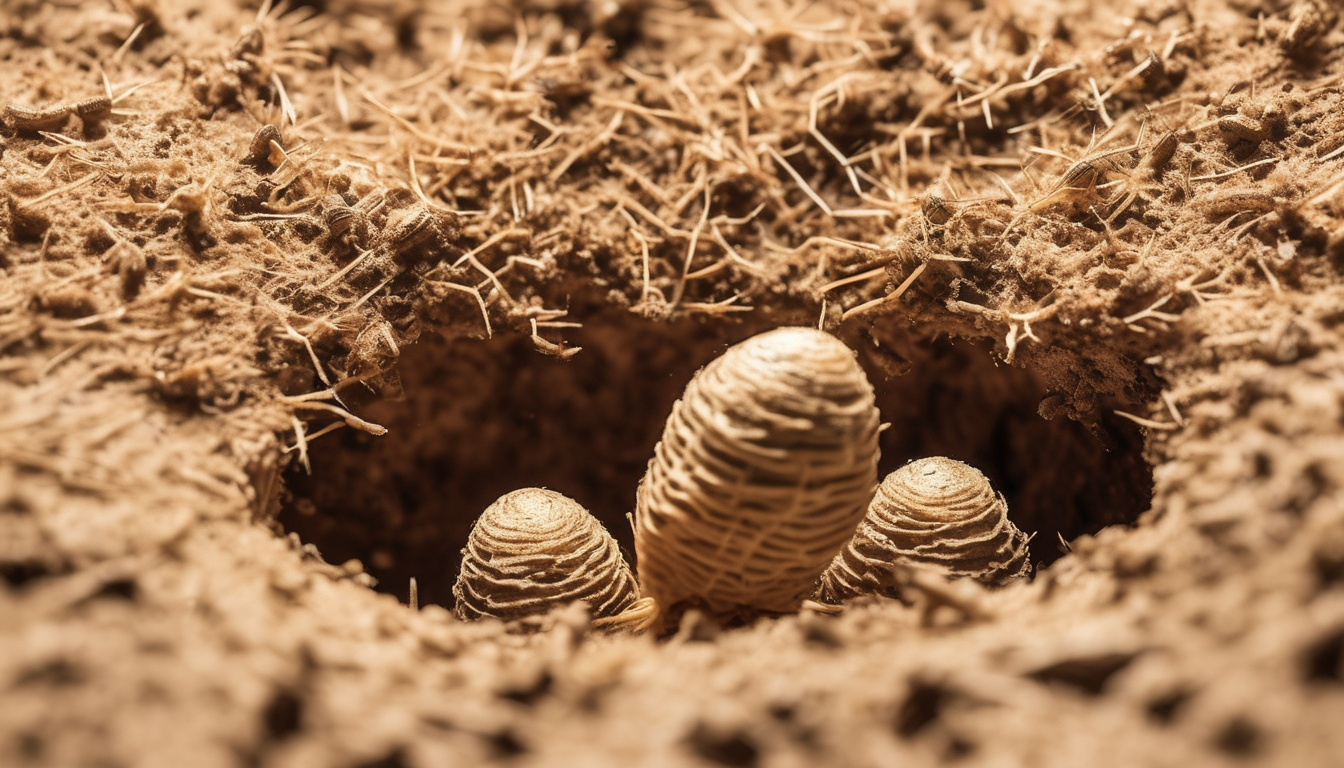
Termite nests, or colonies, are complex structures that house the entire population of termites within a particular environment. These colonies can be found either above ground or below ground, making a ground vs below ground comparison essential for understanding termite survival, growth, and infestation patterns.
—
Above Ground Nests: Identifying the Formosan Subterranean Termite
The Coptotermes formosanus, commonly known as the Formosan subterranean termite, is a species that often establishes itself above ground. These termites are highly adaptable and can build large mounds or nests on trees, poles, and even buildings.
- Mound Structure: These mounds are typically composed of mud, wood fragments, and other debris. They can vary in size from a few centimeters to several meters high.
- Nest Entry Points: Look for small holes or openings on the sides of these mounds where termites can enter and exit. These entry points are crucial for monitoring termite activity.
—
Below Ground Nests: Understanding Desert Subterranean Termites in Dubai
Desert Subterranean Termites, such as Psammotermes hybostoma, typically establish their colonies below the ground surface. These termites are more common in areas with sandy or loamy soils and can cause significant damage to structures without being immediately visible.
- Nest Location: Subterranean termite nests are often located beneath soil, reinforcing the importance of a ground vs below ground approach for accurate nest identification. However, they can be identified through the presence of mud tubes leading to buildings or other structures.
- Mud Tube Identification: Mud tubes are thin, cylindrical structures that termites construct to travel between their nest and food sources. These tubes can be found on walls, foundations, and even around utility lines.
—
Mound Temperature Control and Its Impact on Nest Identification
The temperature within termite mounds is carefully regulated to maintain optimal conditions for colony survival. Understanding the role of temperature control in nest identification can help professionals more accurately pinpoint where colonies are located.
- Temperature Regulation: Termite nests, particularly those above ground, often have internal structures that regulate temperature. These structures may include insulated chambers and ventilation systems to maintain a stable environment.
- Mud Tube Insulation: Mud tubes constructed by subterranean termites can also act as thermal insulators, helping to maintain the ideal temperature for colony activity. This insulation is crucial in desert environments where temperatures fluctuate greatly.
—
Environmental Trigger Mechanisms: Moisture, Heat, and Soil Conditions
The environmental conditions surrounding termite nests can significantly influence their behavior and the methods used for identification. Understanding these triggers is essential for accurate nest location. When considering Termite Nests Identification: Above Ground Vs Below Ground, this becomes clear.
- Moisture: Termites thrive in moist environments. Identifying moisture sources, such as leaking pipes or poorly draining areas, is crucial for pinpointing termite activity above ground.
- Heat: In desert climates like those found in Dubai, heat can exacerbate termite infestations. Monitoring temperature changes and identifying hotspots near buildings can help locate subterranean termite colonies.
- Soil Conditions: Different soil types can affect termite behavior. Sandy soils, common in Dubai, allow termites to burrow more easily, while clay soils may create barriers that limit their movement.
—
Expert Tips for Accurate Nest Identification
Accurately identifying termite nests using a ground vs below ground method requires a combination of knowledge and practical experience. Here are some expert tips to guide you in the identification process:
- Moisture Mapping: Use moisture meters to map out areas with high humidity, which can indicate potential termite activity.
- Infrared Thermography: Utilize thermal imaging cameras to detect temperature variations that may point to termite mounds or mud tubes.
- Mud Tube Inspection: Regularly inspect visible mud tube structures for signs of termite activity, such as fresh droppings and worker termites.
—
FAQs About Termite Nests Identification
- Q: How can I tell if a termite mound is active?
- A: Active mounds often have fresh mud tubes, worker termites visible at the base of the mound, and signs of moisture or water leaks.
Q: What should I do if I find termite activity in my building?A: Contact a professional pest control service immediately to assess and treat the infestation. Regular inspections can prevent more extensive damage.
The importance of Termite Nests Identification: Above Ground Vs Below Ground is evident here.
Q: Can I use DIY termite treatments effectively?A: While some DIY methods may be effective, they should not replace professional inspection and treatment. Always consult a pest control expert for accurate identification and treatment.
—
Conclusion
Accurately identifying termite nests through a ground vs below ground framework is essential for effective termite management in Dubai, UAE. By understanding the characteristics of both types of colonies and using expert tips, homeowners and professionals can better protect their properties from termite damage.
