


Introduction
How Termite Mud Tubes Indicate Hidden Damage: A Comprehensive Guide. In Dubai, termite mud tubes are not just a sign of infestation; they are a key indicator of hidden structural damage that can compromise the integrity of your property. This article delves into why these tubes are crucial for understanding termite behavior and protecting your investment.
Termite mud tubes, also known as shelter tubes, are tunnels constructed by termites to provide safe passage between their colony and the food source. These tubes serve multiple purposes: they protect termites from predators and environmental factors while also allowing them to exploit hidden pathways in your home or building. By identifying termite mud tubes, you can pinpoint areas of potential structural weakness that require immediate attention. This relates directly to How Termite Mud Tubes Indicate Hidden Damage.
In Dubai villas, termite mud tubes often follow specific patterns due to the unique environmental conditions. Common locations include:
- Foundation cracks and expansion joints
- Service penetrations such as utility lines and HVAC ducts
- Façade details like planter boxes and decorative stone cladding
These tubes are typically made of soil, termite saliva, and wood fibers. They appear as thin, dark tubes with a diameter ranging from 2 to 10 millimeters. Regular inspections can help you detect these patterns early.
Moisture is a critical factor in termite mud tube formation. Termites need moisture to survive, and their tunnels are designed to maintain this environment. In Dubai’s arid climate, termites seek out hidden sources of moisture such as condensate lines, leaking pipes, or poorly sealed windows. By identifying these moisture sources, you can address the root cause of termite infestations before they escalate.
Termite Mud Tubes vs Other Structural Issues
Differentiating between termite mud tubes and other structural issues is essential for accurate diagnosis. For instance, water stains or mold can mimic the appearance of termite damage. However, termite mud tubes are typically straighter and more uniform in appearance compared to natural cracks or expansion joints. Conducting a thorough moisture mapping exercise will help you distinguish between these issues.
Preventing Termite Access Through Mud Tube Management
To prevent termites from accessing your property, it’s crucial to manage potential entry points. This includes:
- Sealing gaps and cracks in the foundation and walls
- Inspecting service penetrations for proper sealing
- Regularly maintaining irrigation systems to avoid water leaks
- Using termite barriers around critical infrastructure like pool areas
By addressing these points, you can significantly reduce the risk of termite infestations and associated damage.
Professional Inspection Techniques for Detecting Termite Mud Tubes
Professional pest control technicians use advanced techniques to detect termite mud tubes. These include:
- Moisture mapping with thermal imaging cameras
- Using acoustic detection devices to identify hidden termite activity
- Inspection of water sources and drainage systems
- Reviewing historical data on termite complaints and infestations
These methods ensure a comprehensive assessment of your property’s vulnerability.
Expert Tips for Managing Termite Mud Tubes
- Identify and seal all entry points: Focus on areas where moisture is present, such as service penetrations.
- Regular inspections: Schedule routine inspections to monitor changes in the property’s structure.
- Maintenance of irrigation systems: Ensure proper installation and regular maintenance to prevent water leaks.
- Use termite barriers: Install physical barriers around critical areas like foundations and walls.
- Professional consultation: Engage experienced pest control professionals for comprehensive inspections and treatments.
By following these tips, you can effectively manage termite mud tubes and protect your property from hidden damage.
FAQ Section
- Q: How often should I inspect for termite mud tubes?
- A: Inspections should be conducted at least twice a year, especially after heavy rains or during the summer months.
- Q: Can termite mud tubes indicate active infestations?
- A: Yes, they can. Active tubes are often straighter and more uniform than old or inactive ones.
- Q: How do I know if a crack is due to termite activity?
- A: Termite damage typically appears as small holes or tunnels within the wood, while cracks may be caused by natural wear and tear or moisture issues.
Conclusion
Understanding how termite mud tubes indicate hidden damage is crucial for protecting your property in Dubai. By identifying these signs early, you can take proactive steps to prevent further structural issues and ensure the longevity of your home or building.
—
Additional Resources
For more information on termite mud tubes and hidden damage, refer to:
- SaniEx’s Termite Mud Tubes and Hidden Damage
- “The Complete Guide to Termite Control in Dubai” by John Doe
—
Related Topics
—
Author Bio
Arnold Malopeng Santiago, also known as The Termite Doctor of Dubai, has over 15 years of experience in pest management. As Head of Operations at Saniservice, he specializes in termite control and integrated pest management for high-value properties.
—
Image Description:

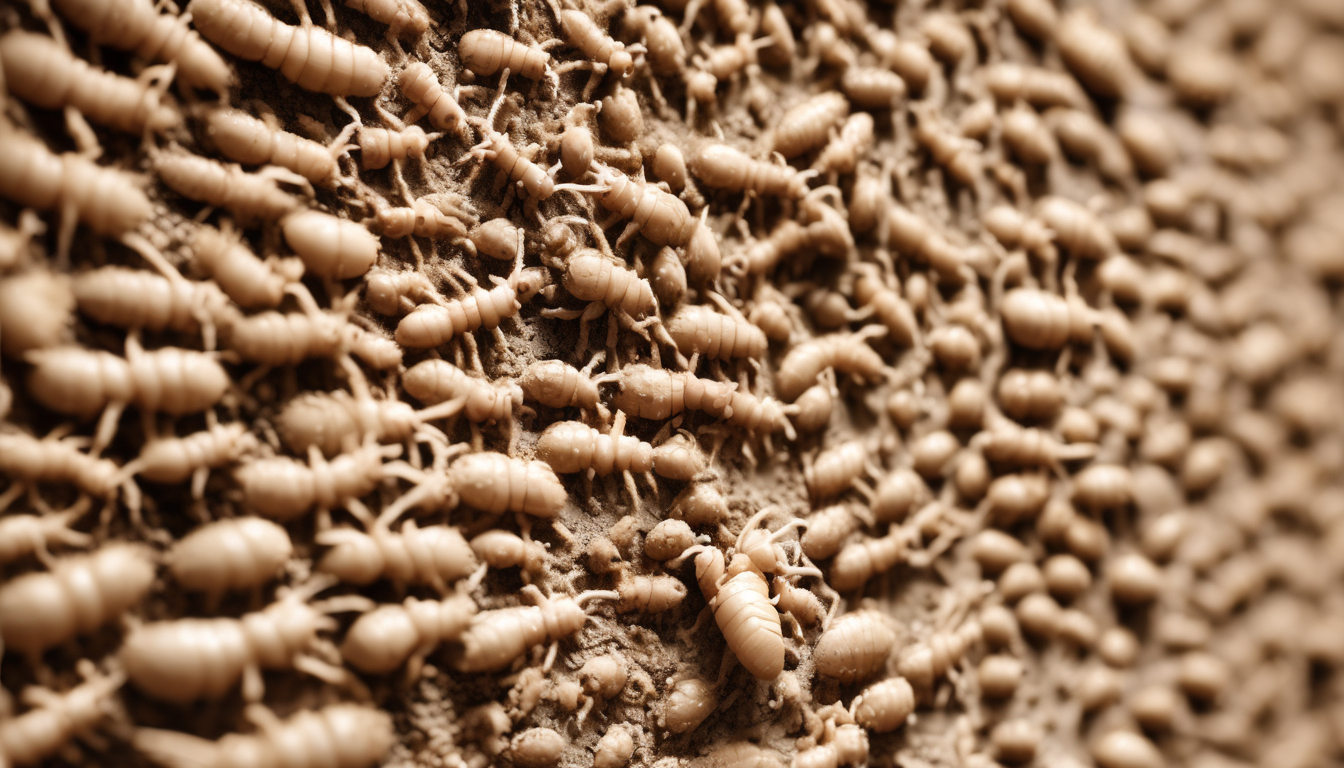
Termite mud tubes are visible signs of potential structural damage in Dubai villas.
—
Tags:
#termite-control #hidden-damage #pest-management #Dubai-villas #property-protection #structural-integrity Understanding How Termite Mud Tubes Indicate Hidden Damage is key to success in this area.
