

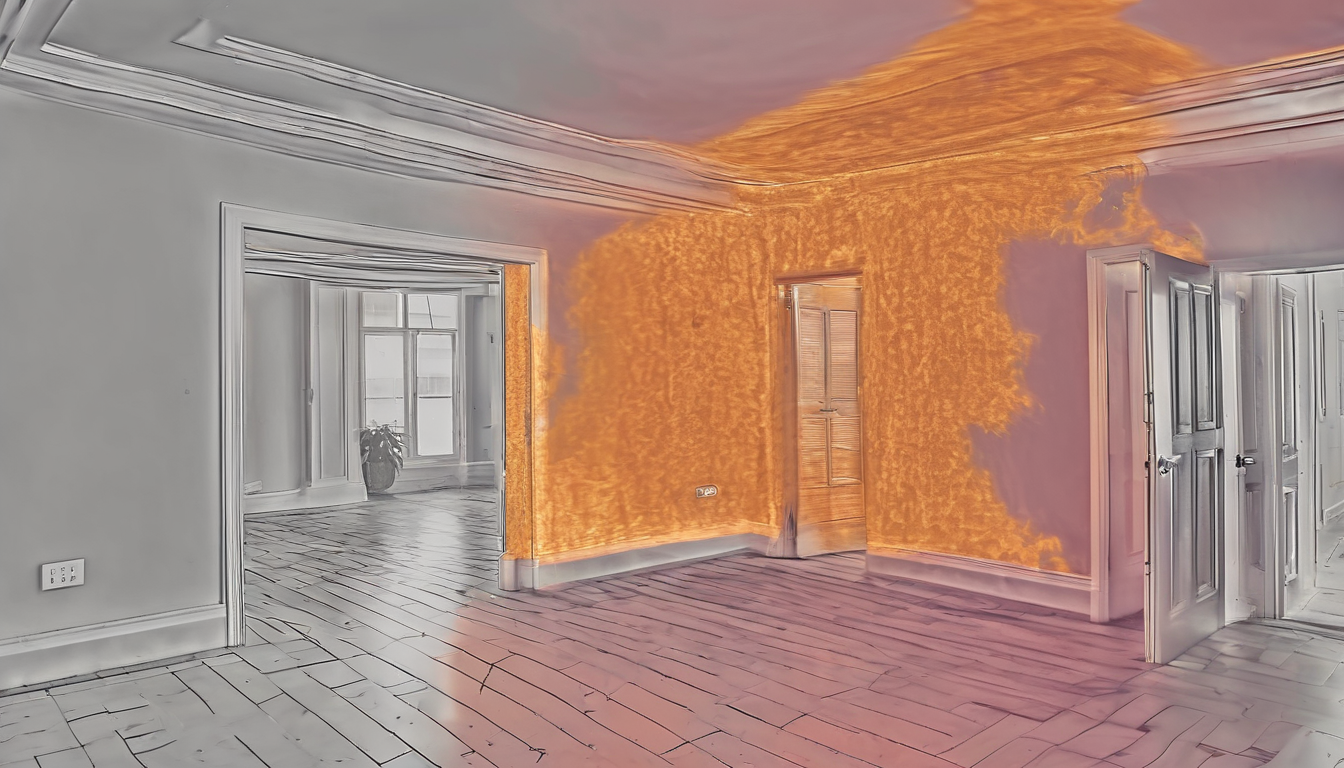

Thermal Imaging for Hidden Termite Detection in UAE Homes is a powerful, non‑destructive inspection method that helps technicians pinpoint termite nests, mud tubes and moisture anomalies behind walls, floors and ceilings in Dubai, Abu Dhabi and other Emirates. Thermal cameras reveal abnormal heat and moisture patterns created by termite activity and associated water pathways, allowing targeted follow‑up with moisture meters and visual probes rather than blind destructive openings.
In UAE homes—where air conditioning, irrigation and desert soils create unique termite pressures—thermal imaging is especially valuable when used as part of an integrated inspection protocol. This article examines how thermal imaging works for termite detection, the best equipment and techniques for UAE conditions, limitations and common pitfalls, cost expectations in AED, regulatory and practical considerations for Dubai and neighbouring Emirates, and how to combine thermal scans with moisture mapping, borate and heat treatments, and baiting for an effective localised response. This relates directly to Thermal Imaging For Hidden Termite Detection In Uae Homes.
Thermal imaging (infrared thermography) maps surface temperatures so inspectors can visualise hotspots and thermal anomalies caused by biological activity, moisture and structural defects. In termite cases, nests, active galleries and water‑wetted mud tubes change the thermal signature of walls, floors and ceilings and become detectable as contrasts on a thermal image.
For termite work in UAE homes, the key idea is that the thermal camera does not “see termites” directly but instead reveals the secondary signatures—heat differentials, evaporative cooling, and moisture retention—created by colonies and their pathways into structures. When considering Thermal Imaging For Hidden Termite Detection In Uae Homes, this becomes clear.
How Thermal Cameras Detect Termite Signatures
Termites and the conditions they create produce several observable thermal clues:
- Heat from metabolic activity in large colonies or nests may appear as a localised warm spot on a thermal image.
- Moisture in mud tubes and galleries alters surface emissivity and can create warmer or cooler patterns depending on evaporation and ambient conditions.
- Structural damage (missing insulation or voids) changes heat transfer across a wall or floor and creates irregular temperature patterns that suggest internal cavities where termites may be active.
Practical thermography guides used by pest professionals emphasise combining these thermal clues with physical inspection tools (moisture meters, probes) to confirm termite presence before recommending treatment[1][2].
Best Equipment and Specs for UAE Inspections
Choice of camera matters: higher resolution and sensitivity increase the chance of detecting subtle termite signatures in buildings commonly found in the UAE (plasterboard, tiled floors, stone cladding, podium planters). Entry‑level units may detect obvious hotspots, but professional work typically requires mid to high‑range cameras with: The importance of Thermal Imaging For Hidden Termite Detection In Uae Homes is evident here.
- Thermal sensitivity (NETD) ≤ 50 mK for subtle differences.
- Spatial resolution and detector arrays that yield clear images of small features.
- MSX or radiometric capability to capture temperature values for documentation and follow‑up.
Manufacturers such as FLIR document pest applications and recommend Exx‑series or better for building pest work, as these provide the resolution and sensitivity needed to find moisture‑related anomalies and nests[1].
Effective thermographic termite inspections follow a disciplined protocol. The steps below reflect best practice for UAE homes and integrate field experience from local operators:
1. Pre‑scan preparatory work
Turn off heating/cooling where safe; allow environment to stabilise. Record building orientation: sun‑warmed façades can mask or create false positives if scanned immediately after sun exposure[1]. Understanding Thermal Imaging For Hidden Termite Detection In Uae Homes helps with this aspect.
2. Systematic scan pattern
Scan external walls, plinths, expansion joints, service penetrations, planters and AC condensate paths. Inside, focus on skirting, ceilings above bathrooms, kitchens and behind built‑in joinery—common termite entry and moisture zones in Dubai villas.
3. Combine with moisture meter and visual probes
When thermal anomaly appears, verify with a pin or non‑invasive moisture meter then make a small targeted probe—this minimises unnecessary openings and localises treatment precisely[5][2].
4. Documentation and follow‑up
Save radiometric images and note ambient temperature, scan distance and emissivity settings. Use images in technical reports and for warranty/monitoring work often required by property managers in the UAE. Thermal Imaging For Hidden Termite Detection In Uae Homes factors into this consideration.
UAE climate, building style and site conditions change how thermal imaging should be applied:
- High solar gain in Dubai and Abu Dhabi can heat façades and create misleading signatures—perform scans early morning or after shaded periods to reduce sun‑driven noise.
- Air conditioning systems cool interior surfaces and can mask colony‑related heat; coordinate scans with AC operation to reveal contrast created by evaporative cooling along condensate paths.
- Podium landscaping, imported timber finishes and decorative planters common in Emirates Hills and waterfront communities create concealed wet zones that show up as thermal anomalies over time—inspect near irrigation schedules for better detection.
Local practitioners commonly pair thermal imaging with knowledge of irrigation layouts, condensate lines and podium details to trace termite pathways from landscape to structure[1][4].
Limitations and Common Misinterpretations
Thermal imaging is a powerful screening tool but has important limitations:
- False positives: plumbing leaks, electrical circuits, and trapped solar heat can mimic termite signatures[1][5].
- False negatives: small or inactive colonies, or infestations deeply buried under thick concrete or stone cladding, may not produce detectable surface contrasts[2].
- Operator dependency: interpreting thermal images requires training and local experience; inexperienced users may misread moisture patterns as termite activity or miss subtle signatures entirely[1].
Because of these limits, leading UAE pest professionals treat thermography as part of an integrated inspection, not a standalone proof of infestation[6][8].
Integrating Thermal Imaging with Other Tools and Treatments
Best termite practice in the UAE couples thermal imaging with complementary methods:
Moisture meters and probes
Thermal anomalies are verified with moisture readings and small probes to confirm mud tubes or voids before treatment[5].
Baiting systems and chemical barriers
When thermal imaging locates active pathways or nest zones, targeted Sentricon‑style baiting or termiticide soil barriers can be placed precisely around the identified entry points, reducing chemical quantity and exposure[8].
Borate wood treatment and heat treatment
For localized joinery infestations discovered via thermal scan, low‑toxicity borate treatments or controlled heat treatment protocols can be applied to affected timber—ideal for occupied Dubai properties where preservation and low VOCs are priorities[2].
Monitoring and follow‑up imaging
Use thermal imaging to document pre‑treatment conditions and to re‑scan at intervals after treatment to verify colony suppression and to support warranty claims for property managers and developers. This relates directly to Thermal Imaging For Hidden Termite Detection In Uae Homes.
Costs, Regulations and Procurement in the UAE
Pricing for a professional thermographic termite inspection in UAE cities varies with property size, complexity and required report level. Typical market ranges (indicative) are:
- Basic residential scan and report: approximately AED 400–AED 900 depending on coverage area.
- Comprehensive thermography plus moisture mapping, probes and radiometric reporting: AED 1,200–AED 3,000 for large villas or podium buildings.
These estimates reflect the value of using radiometric, high‑sensitivity cameras and a trained operator who can interpret images and integrate follow‑up tests. Always obtain a written scope and radiometric images for warranty and insurance documentation.
Regulatory note: While the UAE does not ban thermography, treatments that follow detection (termite soil termiticides, fumigation, or restricted pesticides) are regulated. Pest operators must comply with local municipality rules (e.g., Dubai Municipality) on pesticide importation, application licences and waste handling; always choose licensed operators and request documentation of product approvals when chemical treatment is proposed. When considering Thermal Imaging For Hidden Termite Detection In Uae Homes, this becomes clear.
Expert Tips and Key Takeaways
- Start early in the day: Perform scans in the cool morning or late evening to reduce solar noise on façades.
- Use thermography with moisture meters: Always verify thermal anomalies with moisture readings and targeted probes before deciding on treatment[1][5].
- Document and preserve radiometric images: Radiometric data supports warranty claims and enables quantitative follow‑up scanning.
- Train local technicians: Thermography is operator‑dependent—local training that covers UAE construction types, irrigation and AC behaviour improves accuracy dramatically[1][6].
- Combine with low‑toxicity options: For villas and heritage properties in Dubai, consider borate or heat treatments for isolated wooden elements identified by thermal imaging[2].
Conclusion
Thermal Imaging for Hidden Termite Detection in UAE Homes is a cost‑effective, non‑destructive screening tool when used by trained professionals and combined with moisture mapping, targeted probing and appropriate follow‑up treatments. In the UAE environment—where irrigation, AC systems and decorative landscaping create hidden moisture pathways—thermal cameras help trace the termite logic from garden to joinery and reduce unnecessary disruption to high‑value properties.
For homeowners and facility managers in Dubai, Abu Dhabi, Sharjah and other Emirates, the most reliable strategy is an integrated inspection: thermal imaging to locate anomalies, moisture meters and probes to confirm, then targeted borate, heat, baiting or soil termiticide measures applied under licensed compliance. That approach protects both the structure and occupants while giving clear documentation for long‑term monitoring and warranty programmes. Understanding Thermal Imaging For Hidden Termite Detection In Uae Homes is key to success in this area.
