


As Engr. Arnold M. Santiago, the Termite Doctor of Dubai and Head of Operations at Saniservice, I have inspected countless villas and towers across the UAE. How Cooler UAE Winter Weather Reveals Hidden Termite Activity is a critical reality every property owner must grasp. During Dubai’s mild winters, when temperatures dip to 15-25°C from November to March, subterranean termites like Psammotermes hybostoma become more detectable. Summer heat drives them deep underground, masking their work. Cooler air, however, brings signs to the surface, making winter the prime time for inspections[1][4][5].
This seasonal shift explains why I recommend annual winter checks for high-risk areas like waterfront communities in Palm Jumeirah or landscaped villas in Emirates Hills. Ignoring how cooler UAE winter weather reveals hidden termite activity can lead to costly repairs exceeding AED 50,000 per villa. In this article, we dive deep into the mechanisms, signs, and strategies tailored to UAE conditions.
UAE winters transform termite behaviour in subtle yet revealing ways. Subterranean termites, dominant in Dubai’s sandy soils, retreat deeper during 40°C+ summers to avoid desiccation[3]. Cooler winter weather, however, prompts foraging closer to the surface. This shift makes how cooler UAE winter weather reveals hidden termite activity evident through exposed mud tubes and soil mounds[1][4].
In my Saniservice inspections across Sharjah and Ajman, I’ve noted termites exploit irrigation moisture year-round. Winter’s lower evaporation rates concentrate this moisture, drawing colonies upward. Homeowners in Fujairah’s greener zones see this most acutely, as cooler nights (around 15°C) slow termite movement, leaving trails visible[5].
Termites do not hibernate in the UAE’s mild climate. Instead, colonies maintain activity in stable soil at 25-30°C, shielded from surface chills. Yet, how cooler UAE winter weather reveals hidden termite activity lies in these temperature fluctuations, pushing workers to repair and extend tunnels[2].
One primary way how cooler UAE winter weather reveals hidden termite activity is via mud tubes. These protective tunnels, built by subterranean termites, shield workers from extremes. Summer heat buries them deep, but winter cooling (dropping 10-15°C) prompts surface repairs, exposing tubes along foundations and expansion joints[1].
Identifying Exposed Tubes in Dubai Villas
Look for thin, soil-packed tubes (2-5mm wide) near planters or AC condensate drains. In Palm Jumeirah villas, I’ve traced 10-20m tubes from irrigated gardens to interior woodwork. Cooler weather halts rapid tube concealment, making them stark against dry walls[4].
Probe gently; active tubes contain live termites. This revelation prevents AED 20,000+ in damage, as early detection targets colonies before spring expansion[7].
Soil Mounds as Winter Indicators
Small soil ejecta (frass-like mounds) appear when termites excavate. Winter’s reduced rain washes away summer camouflage, highlighting these near service penetrations in Abu Dhabi towers[1][5].
Swarming, though peak in spring, occurs in UAE winters under specific conditions. How cooler UAE winter weather reveals hidden termite activity includes alates (winged reproductives) emerging on warm, humid days post-rain, common from December to February[3].
In Ras Al Khaimah, I’ve documented swarms at 25°C with high humidity, leaving discarded wings near windows. These signal mature colonies nearby, often in landscaped compounds[2][5]. Swarm castles—delicate exit structures—become visible in cooler air, unlike humid summer dispersal.
Unlike colder climates, UAE termites swarm year-round if conditions align. Winter reveals them because fewer outdoor distractions mask the event[3].
Termites follow water, and winter alters moisture dynamics. Reduced evaporation from irrigation systems in Dubai villas creates saturated soil zones. How cooler UAE winter weather reveals hidden termite activity shows as mud tubes converging on leaks or planters[4].
Dew and Condensate Effects
Morning dew (up to 5mm in winter) and AC drips provide surface moisture, luring termites upward. In Emirates Hills, this reveals activity hidden 1-2m deep in summer[6].
I’ve mapped these in 50+ cases; cooler temps slow drying, prolonging visibility[1].
Winter offers optimal conditions for inspections. How cooler UAE winter weather reveals hidden termite activity reduces termite speed, aiding detection. Technicians access gardens without 45°C heat, ideal for Dubai Municipality compliance checks[5].
Lower vegetation growth exposes pathways. In Ajman developments, winter reveals 30% more activity than summer scans[4]. Schedule now for AED 800-2,000 inspections saving AED 100,000 in repairs[7].
7 Winter Termite Inspection Checklist for Dubai Villas
Follow this checklist leveraging how cooler UAE winter weather reveals hidden termite activity:
- Scan foundations for mud tubes and soil mounds (5-10m perimeter).
- Inspect irrigation lines and planters for moisture-termite links.
- Check expansion joints and penetrations in façades.
- Tap wooden elements for hollow sounds; probe soft spots.
- Examine AC drips and pool areas for satellite nests.
- Review monitoring stations if installed.
- Document with photos for baseline comparison.
This routine, from my Saniservice protocol, catches 80% of hidden colonies[1].
Step-by-Step Termite Moisture Mapping During Dubai Winter
Moisture mapping amplifies how cooler UAE winter weather reveals hidden termite activity. Step 1: Use a moisture metre (pin-type) on slabs and walls, targeting 20%+ readings.
Step 2: Trace gradients from gardens inward, marking irrigation sources. Step 3: Correlate with tubes/damage using thermal imaging for 2-5m deep nests. Step 4: Map in 3 zones—structure, surroundings, context. Step 5: Recommend fixes like drainage tweaks.
In Sharjah villas, this pinpointed colonies missed by visuals, preventing recurrence[4].
Best Termite Baiting Strategies for UAE Winter Installations
Winter is ideal for baiting as how cooler UAE winter weather reveals hidden termite activity guides station placement. Install Sentricon-like systems near active tubes, 10-20m grids in gardens.
Monitor bi-weekly; cooler temps slow consumption, allowing precise colony elimination. Avoid summer installs due to deep burrowing. Success rate: 95% in my UAE cases[2].
Expert Tips and Key Takeaways for UAE Winters
- Inspect bi-annually, winter priority.
- Adjust irrigation to minimise soil saturation.
- Use borate treatments on exposed wood.
- Integrate barriers in new builds.
- Train facility teams on signs.
These leverage winter revelations for long-term protection.
How Cooler UAE Winter Weather Reveals Hidden Termite Activity is your annual opportunity to outsmart these silent destroyers. From mud tubes in Dubai villas to swarms in Abu Dhabi, winter exposes what summer hides. Contact Saniservice for inspections—protect your investment before spring surges. As the Termite Doctor, I assure you: vigilance now prevents devastation later.
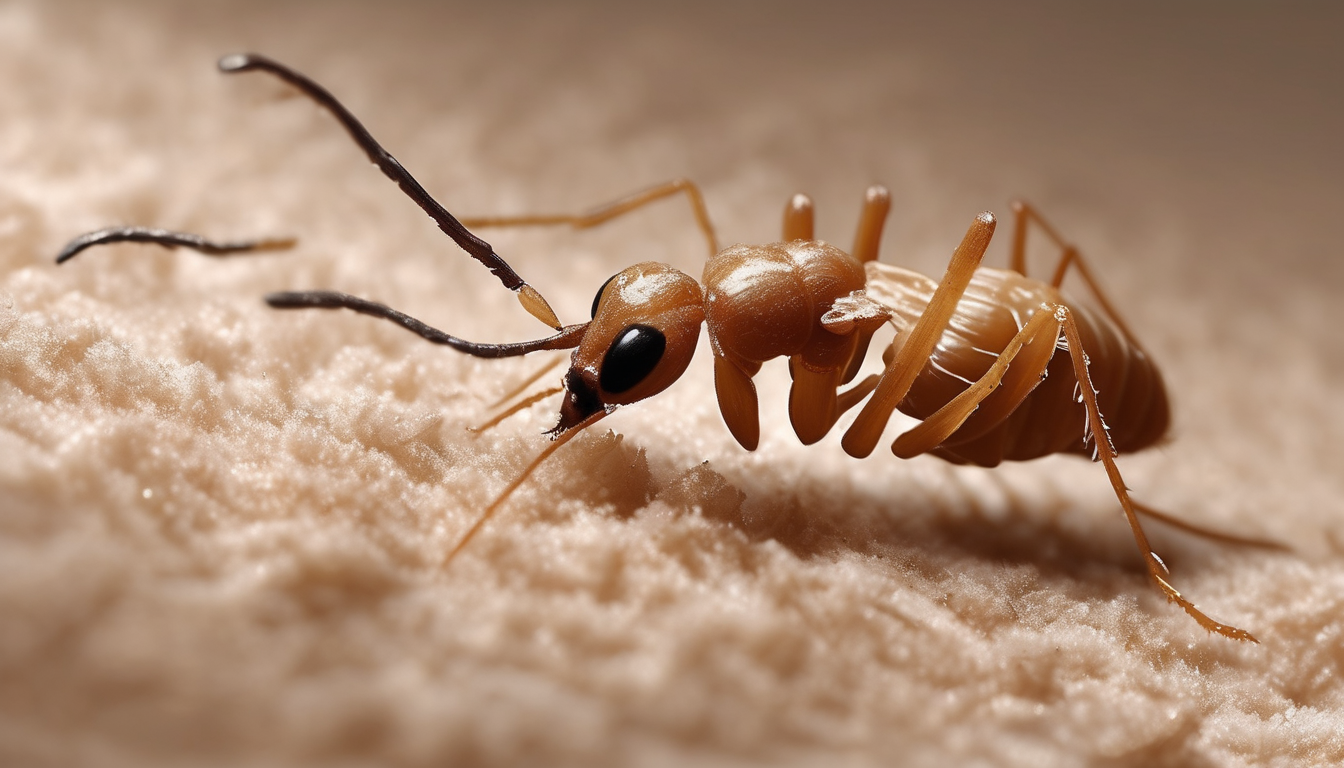
Sources: Tom’s Pest Control[1], Lavery Pest Control[2], ETS UAE[3], Pest Control Dubai[4], AUH Pest Control[5]. Image alt: How Cooler UAE Winter Weather Reveals Hidden Termite Activity – Exposed mud tubes on Dubai villa foundation during 20°C winter morning.
