

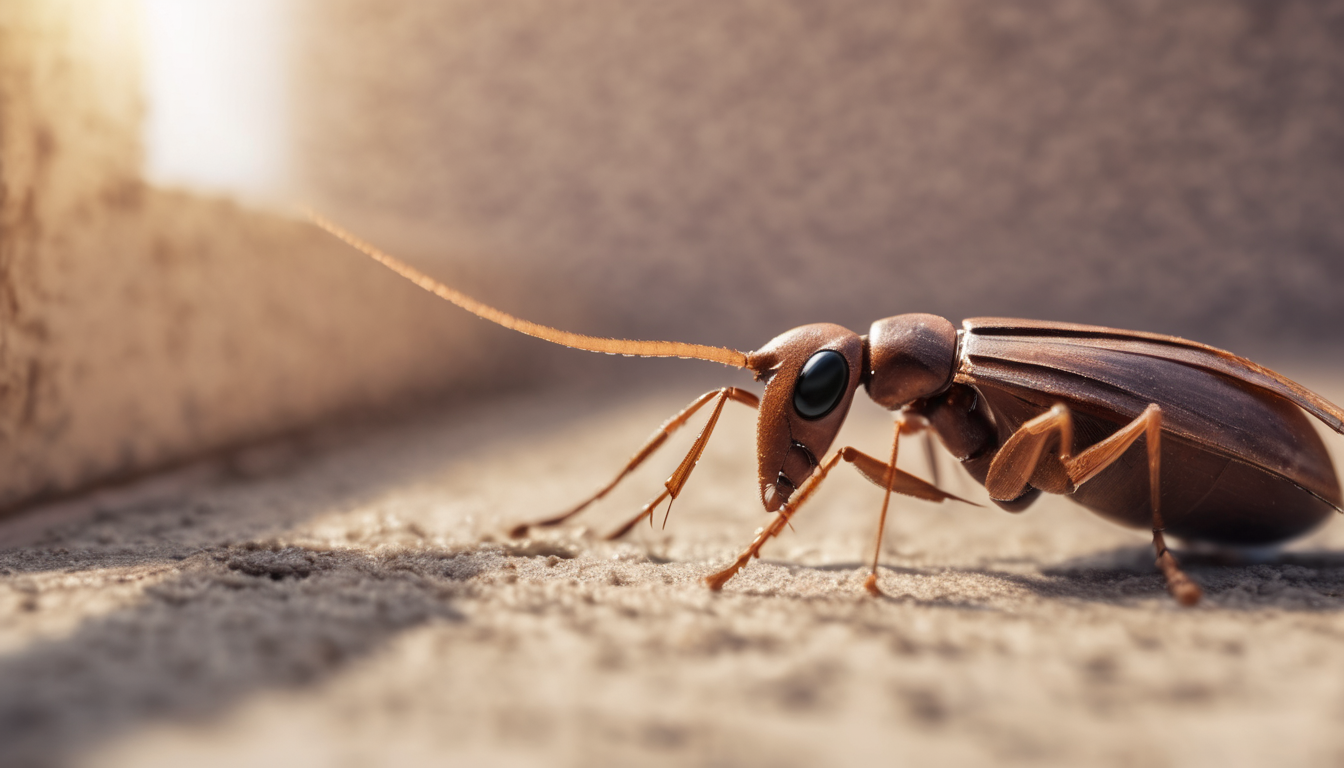

Winter is the best time to schedule a thorough termite review in Dubai villas because cooler temperatures and reduced irrigation often reveal hidden activity; this article centres on 7 Winter Termite Inspection Checklist for Dubai Villas while expanding to a 9‑point winter protocol that every villa owner and facility manager in Dubai and the UAE should know.
Termite behaviour in the UAE responds to seasonal moisture and temperature changes, and winter’s milder days make subterranean termite foraging paths, mud tubes and moisture sources far easier to detect. Below I give a methodical checklist, inspection steps, moisture‑mapping procedures and baiting strategies tailored to Dubai villas and the surrounding Emirates. This relates directly to 7 Winter Termite Inspection Checklist For Dubai Villas.
Understanding 7 Winter Termite Inspection Checklist for Dubai Villas
Why winter? In Dubai and the UAE, cooler winter temperatures and reduced daytime evaporation change termite foraging behaviour and irrigation patterns, making concealed mud tubes, damp timber and colony activity more visible to inspectors. Therefore, a winter inspection is an inspection with higher diagnostic value for villas with landscaped plots, planters or waterfront features.
The phrase 7 Winter Termite Inspection Checklist for Dubai Villas refers to seven essential inspection focus areas which I describe in depth below; to make them practical I add pre‑inspection preparation and two extra items (documentation and baiting protocol) so you have a complete 9‑point winter inspection workflow suitable for Dubai villas and neighbouring Emirates.
7 Winter Termite Inspection Checklist For Dubai Villas: Preparation and Safety
Before you begin any inspection, prepare and protect occupants and technicians. Wear protective gloves, dust mask and eye protection when probing or opening voids. Use a torch, moisture meter, screwdriver/probing tool and a thermal imager if available.
- Check access: Ensure crawlspaces, service ducts and exterior access are cleared for safe entry.
- Obtain owner consent and inform residents when interior checks or small invasive probes will occur.
- Record baseline conditions with photos and geotagging tools to compare later.
Exterior perimeter assessment — 7 Winter Termite Inspection Checklist for Dubai Villas
Exterior inspection is the most critical single element in the 7 Winter Termite Inspection Checklist for Dubai Villas. Subterranean termites almost always approach the structure from the outside; winter makes their exterior tubes and entry points clearer.
Key exterior checks
- Inspect soil‑to‑wood interfaces around the foundation, decks and pergolas for mud tubes and soil stacking.
- Probe suspicious tubes with a screwdriver; fresh activity is often soft and moist.
- Examine expansion joints, service penetrations, utility conduits and masonry joints where termite galleries commonly pass.
- Look at stone cladding and façade details for concealed tubes; cooler, wetter winter mornings often show damp staining where tubes attach.
Step‑by‑step termite moisture mapping during Dubai winter
Moisture is the single most reliable correlate of subterranean termite pressure in Dubai’s irrigated landscapes. A Winter moisture map exposes the water sources that support colonies and is central to the 7 Winter Termite Inspection Checklist for Dubai Villas.
Step 1 — Establish a grid
Create a simple 1–2 m grid around the villa perimeter and inside high‑risk rooms (service areas, kitchens, wardrobes). Use a moisture meter to take readings at each grid point and record values in a table or map. When considering 7 Winter Termite Inspection Checklist For Dubai Villas, this becomes clear.
Step 2 — Measure at typical hotspots
- Read near downspouts, irrigation heads and condensate drains.
- Measure inside planter boxes, beneath outdoor furniture and at timber contact points.
- Record wall base moisture and floor slab edges where moisture may wick into joinery.
Step 3 — Interpret winter readings
In winter, baseline soil and surface moisture tend to be lower than summer; therefore, isolated high readings strongly indicate leaks, irrigation overflow or poor drainage—conditions that attract termites. Flag any reading above the local baseline as a likely driver of termite presence.
Interior structural and joinery checks
Interior checks complement exterior findings and are part of the core 7 Winter Termite Inspection Checklist for Dubai Villas. Termites will track along voids, skirtings and service chase lines where moisture and timber meet.
Where to look inside
- Under wardrobes, behind skirtings and inside fitted joinery for sagging, blistering paint or frass.
- Ceiling voids over bathrooms and kitchens for mud tubes from below‑slab plumbing leaks.
- Flooring perimeter, especially imported hardwood; probe discreetly to avoid damage.
- Electrical trunking and conduit routes that pass through foundations — termites exploit these channels.
Landscape and irrigation inspection
Dubai villas with lush landscaping, decorative ponds or automatic irrigation present concentrated termite risk; winter reduces evapotranspiration and reveals inefficient irrigation heads and leaks that create localized wet zones attractive to termites.
Focus points for landscape checks
- Inspect drip lines and sprinkler heads for soaking, overspray onto foundations and pooling.
- Check planter box liners, root barriers and buried timber elements (deck frames, sleepers) for direct soil contact.
- Locate buried irrigation junctions and service trenches that may hide nests or mud tubes.
Best termite baiting strategies for UAE winter installations
Winter is an excellent time to install and service baiting systems in Dubai because termite foragers are actively seeking concentrated moisture and cellulose sources; bait uptake is often higher and monitoring yields clearer signals.
Winter baiting protocol
- Place monitoring stations at 2–4 m intervals around high‑risk zones: near planter edges, under decks and beside downspouts.
- Use an initial empty monitoring phase for 1–2 months in winter to detect activity before deploying active bait. This helps confirm presence rather than guesswork.
- When activity is confirmed, switch to slow‑acting chitin‑inhibitor baits to allow colony transfer and suppression.
- Record bait stations with GPS and schedule monthly checks in the first winter quarter, then adjust based on uptake.
For villas with waterfront features or reclaimed land plots, increase station density and pair baiting with soil barrier assessment to close termite corridors where possible.
Documentation, reporting and follow‑up
Every winter inspection should finish with clear documentation: a moisture map, photographic evidence, probe notes and recommended corrective actions. This documentation forms the basis for warranties, insurance queries and contractor work orders.
What to include in a winter inspection report
- Annotated moisture map showing hotspots and meter readings.
- Photographs of mud tubes, active workers, damaged timber and irrigation faults.
- Recommended interventions ranked by priority: (1) moisture source repair, (2) physical pathway closure, (3) monitoring or baiting, (4) targeted chemical treatment if necessary.
- Service schedule: return visits, bait station checks and post‑repair verification dates.
Expert tips and key takeaways
- Prioritise moisture fixes: Winter inspections often reveal the exact leaks or irrigation mis‑set that sustain colonies; repairing these is the highest value action.
- Use winter to baseline: Conduct a full inspection in January–March to establish a baseline for the year and schedule follow‑ups before the hot irrigation season begins.
- Combine methods: Moisture mapping, visual probing and bait monitoring together are more reliable than any single method.
- Document everything: For villa owners in Dubai and other Emirates, clear reports help when negotiating repair contracts and applying for termite clearance certificates.
- Cost guidance: Typical targeted winter inspections for a villa range by complexity; budget estimates in Dubai commonly start around AED 500–1,500 AED for basic to detailed inspections (site‑dependent and excluding repairs or treatments).
Conclusion
Winter provides a strategic advantage for termite detection in Dubai villas because cooler weather and lower evaporation make moisture anomalies and termite pathways more visible. Using the 7 Winter Termite Inspection Checklist for Dubai Villas within a broader nine‑point winter protocol — perimeter checks, moisture mapping, interior probing, landscape review, baiting strategy, documentation and corrective prioritisation — gives villa owners and facility managers the best chance to find and fix termite issues before the hot season returns.
If you manage a villa in Dubai, Abu Dhabi, Sharjah, Ajman, Fujairah or Ras Al Khaimah, schedule your winter inspection between January and March and insist on a moisture map and documented baiting or monitoring plan; those deliver the most durable protection for high‑value timber and joinery. Understanding 7 Winter Termite Inspection Checklist For Dubai Villas is key to success in this area.
